Befast Co., Ltd.
Befast Co., Ltd.
Products

Nyloc Nut Vs All Metal Lock Nut: Which One Is Better for Vibration?

Table of Content [Hide]

    Vibration is one of the most common causes of fastener loosening in mechanical systems. In applications involving continuous movement, impact loads, or cyclic stress, standard nuts may gradually lose clamping force, affecting equipment reliability and safety.

    Nyloc nuts and all metal lock nuts are two widely used solutions for preventing loosening. However, they are designed for different operating environments. Nyloc nuts provide reliable locking performance through a nylon insert that increases friction on the bolt thread, while all metal lock nuts use mechanical deformation or metal locking elements to maintain clamping force without polymer components.

    For general machinery, automotive assemblies, and indoor equipment with moderate temperatures, nyloc nuts are often an effective solution. For high-temperature, heavy-duty, or extreme industrial environments, all metal lock nuts are usually preferred because they maintain performance without relying on nylon components.

    The right choice depends on vibration intensity, operating temperature, chemical exposure, maintenance requirements, and application conditions.

    Which Lock Nut Performs Better Under Vibration?

    The better locking nut depends on the specific application.

    Nyloc nuts perform well in applications where:

    • Temperature remains within nylon operating limits

    • Moderate vibration resistance is required

    • Easy installation and removal are important

    • Cost efficiency is a consideration

    All metal lock nuts are more suitable when:

    • High temperatures are present

    • Chemical exposure may damage polymer materials

    • Heavy vibration or shock loads occur

    • Long-term mechanical reliability is required

    The locking performance of both designs comes from creating additional resistance against rotational movement between the nut and bolt. However, their locking mechanisms are different.

    FeatureNyloc NutAll Metal Lock Nut
    Locking methodNylon insert frictionMetal deformation or locking element
    Temperature resistanceLimited by nylon materialSuitable for higher temperatures
    ReusabilityLimited after repeated installationGenerally better for industrial reuse
    Chemical resistanceDepends on nylon compatibilityUsually better in harsh environments
    InstallationSimple and widely availableRequires correct torque control
    Typical useGeneral machinery and automotive systemsHeavy industrial applications

    How Does a Nyloc Nut Prevent Loosening?

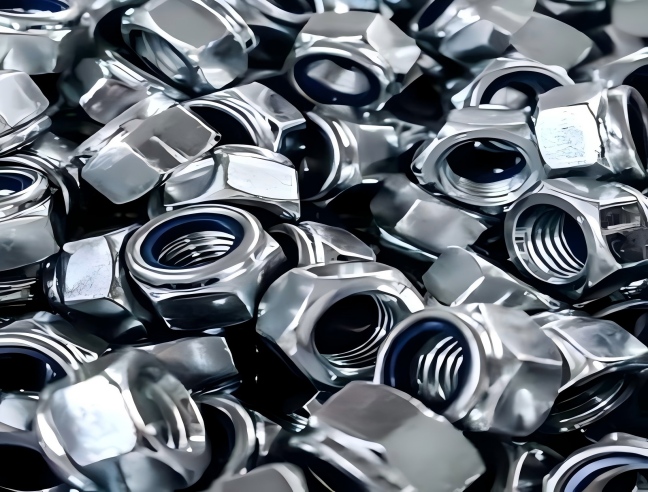
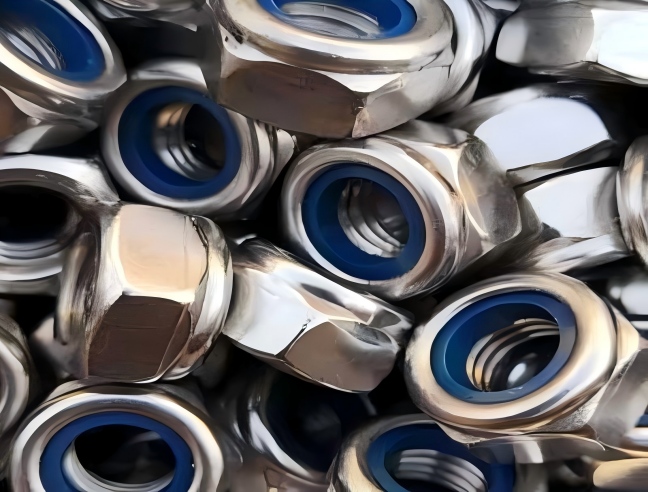
    A nyloc nut, also known as a nylon insert lock nut, uses a nylon ring positioned inside the nut threads.

    When the nut is installed, the bolt thread passes through the nylon section and creates friction. This friction increases resistance against rotational movement caused by vibration.

    The main advantages of nyloc nuts include:

    • Reliable anti-loosening performance

    • Easy installation

    • Low risk of damaging bolt threads

    • Good performance in general mechanical applications

    The nylon insert acts as a prevailing torque mechanism. Unlike a standard nut that relies mainly on clamping force, a nyloc nut maintains additional resistance even when vibration attempts to rotate the fastener.

    nyloc nuts

    What Are the Advantages of Nyloc Nuts?

    Nyloc nuts are commonly selected because they provide a practical balance between performance and cost.

    Key advantages include:

    Simple Installation

    Nyloc nuts can usually be installed using standard tools without requiring special equipment.

    This makes them suitable for:

    • Machinery assembly

    • Automotive components

    • Electrical equipment

    • General industrial products

    Protection Against Thread Damage

    The nylon insert provides a softer locking interface compared with metal locking systems.

    This can reduce:

    • Thread wear

    • Surface damage

    • Installation problems

    Cost Efficiency

    For applications where extreme temperature or chemical resistance is not required, nyloc nuts provide economical vibration resistance.

    How Does an All Metal Lock Nut Work?

    All metal lock nuts achieve locking performance through mechanical interaction between metal components rather than polymer inserts.

    The locking effect may be created by:

    • Deformed threads

    • Elliptical shapes

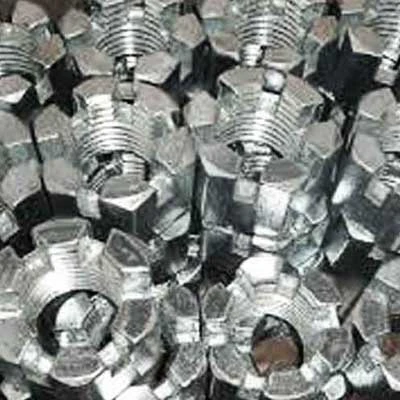
    • Crown sections

    • Metal locking rings

    Because the locking mechanism is entirely metallic, these nuts can operate in environments where nylon inserts may degrade.

    All metal lock nuts are commonly used in applications requiring:

    • High-temperature resistance

    • Strong vibration resistance

    • Long service life

    • Industrial reliability

    What Are the Advantages of All Metal Lock Nuts?

    All metal lock nuts provide several benefits for demanding applications.

    Higher Temperature Capability

    One of the biggest advantages is resistance to elevated temperatures.

    Unlike nylon inserts, metal locking elements are not limited by polymer temperature restrictions.

    Typical applications include:

    • Engines

    • Industrial machinery

    • Heat-generating equipment

    • Heavy manufacturing systems

    Better Performance in Harsh Environments

    Industrial equipment may be exposed to:

    • Oil

    • Chemicals

    • Heat

    • Continuous vibration

    In these conditions, a fully metallic locking solution may provide more reliable long-term performance.

    Suitable for Critical Mechanical Assemblies

    All metal lock nuts are often selected where fastener failure could cause significant operational issues.

    Examples include:

    • Heavy equipment

    • Industrial machinery

    • Transportation systems

    • Power generation equipment

    What Is the Difference Between Nyloc Nuts and All Metal Lock Nuts?

    Although both products prevent loosening, their designs create different performance characteristics.

    Locking Mechanism

    The primary difference is how locking force is generated.

    Nyloc nuts:

    • Use nylon insert friction

    • Reduce rotation through increased thread resistance

    • Are suitable for moderate vibration

    All metal lock nuts:

    • Use mechanical locking methods

    • Maintain performance at higher temperatures

    • Provide stronger industrial durability

    Temperature Performance

    Temperature is one of the most important selection factors.

    EnvironmentRecommended Solution
    Room temperature equipmentNyloc nuts
    Outdoor machineryDepends on environment
    High-temperature systemsAll metal lock nuts
    Engine applicationsUsually all metal solutions
    Chemical exposureEvaluate material compatibility

    Nylon inserts can soften or degrade when exposed to excessive heat, reducing locking effectiveness.

    Vibration Resistance

    Both types provide vibration resistance, but their suitability depends on vibration intensity.

    For:

    • Small mechanical assemblies

    • Consumer products

    • General equipment

    Nyloc nuts are often sufficient.

    For:

    • Heavy machinery

    • Transportation equipment

    • Continuous vibration systems

    All metal lock nuts may provide more reliable performance.

    When Should You Choose Nyloc Nuts?

    Nyloc nuts are suitable for applications where vibration resistance is required but operating conditions are not extreme.

    Common applications include:

    • Automotive components

    • Electrical equipment

    • Furniture assemblies

    • Light machinery

    • General industrial products

    They are especially useful when:

    • Assembly speed is important

    • Cost control is required

    • Temperature remains moderate

    However, engineers should avoid using nyloc nuts in environments where:

    • Temperature exceeds nylon limits

    • Strong chemical exposure exists

    • Fire resistance is critical

    When Are All Metal Lock Nuts Better?

    All metal lock nuts are generally selected for demanding industrial conditions.

    Typical applications include:

    • Heavy machinery

    • Engines

    • Industrial equipment

    • Aerospace systems

    • High-temperature assemblies

    They are preferred when:

    • Long service life is required

    • Maintenance intervals are long

    • Fastener reliability is critical

    How Do You Select the Right Lock Nut for Industrial Equipment?

    Selecting the correct locking nut requires evaluating the entire operating environment.

    Important considerations include:

    Selection FactorQuestions to Consider
    TemperatureWill the fastener experience high heat?
    Vibration levelIs the equipment exposed to continuous movement?
    Chemical exposureCould materials degrade over time?
    MaintenanceWill the fastener require frequent removal?
    Load conditionsAre shock loads present?

    Engineers should also consider:

    • Bolt material compatibility

    • Thread specifications

    • Required locking torque

    • Industry standards

    Common Applications of Nyloc Nuts and Metal Lock Nuts

    Locking nuts are widely used across different industries where vibration resistance is required.

    Automotive Applications

    Vehicles experience continuous vibration from:

    • Engines

    • Suspension systems

    • Road impacts

    Reliable locking solutions help maintain component integrity.

    For automotive projects requiring specialized fastening solutions, automotive fastener products are commonly selected for components exposed to dynamic loads and repeated vibration.

    Machinery Applications

    Industrial machinery often operates continuously under:

    • Rotational forces

    • Mechanical vibration

    • Repeated loading

    Lock nuts help prevent unexpected loosening and reduce maintenance requirements.

    Why Choose HKBOSTEC Locking Fasteners?

    Selecting the right locking nut requires more than choosing a standard product. Industrial customers need consistent quality, accurate dimensions, and reliable manufacturing capability.

    HKBOSTEC provides fastening solutions for applications requiring:

    • Stable production quality

    • Different material options

    • Customized specifications

    • Industrial application support

    Through controlled manufacturing processes and quality inspection procedures, HKBOSTEC helps customers select suitable fastening products for machinery, automotive, and industrial applications.

    What Factors Should Be Considered When Choosing Lock Nuts?

    Selecting between nyloc nuts and all metal lock nuts requires more than comparing locking strength. The correct choice depends on the complete working environment, including temperature, vibration level, material compatibility, and service requirements.

    Industrial engineers should evaluate the following factors before selecting a locking nut.

    Selection FactorNyloc Nut ConsiderationAll Metal Lock Nut Consideration
    Operating temperatureSuitable for moderate temperaturesSuitable for high-temperature environments
    Vibration levelEffective for general vibrationBetter for severe vibration conditions
    Chemical exposureCheck nylon compatibilityGenerally better resistance
    Maintenance frequencySuitable for frequent assemblySuitable for long-term installations
    Installation requirementsEasy installationRequires proper torque control
    Cost considerationMore economicalHigher performance investment

    A correct selection helps prevent:

    • Unexpected loosening

    • Equipment downtime

    • Fastener replacement

    • Maintenance interruptions

    What Are Common Mistakes When Selecting Lock Nuts?

    Although lock nuts are simple components, incorrect selection can reduce fastening reliability.

    Choosing Based Only on Price

    Lower-cost fasteners may appear attractive during procurement, but industrial applications require consideration of:

    • Material quality

    • Manufacturing consistency

    • Thread accuracy

    • Service environment

    A low-cost locking nut that fails prematurely may increase total operational costs.

    Ignoring Temperature Limitations

    One of the most common mistakes is using nylon insert lock nuts in high-temperature environments.

    When temperatures exceed the recommended operating range:

    • Nylon may soften

    • Locking force may decrease

    • Long-term reliability may be affected

    For applications involving heat exposure, engineers should evaluate whether an all-metal locking design is more appropriate.

    Selecting the Wrong Material Combination

    Lock nut performance depends on compatibility between:

    • Nut material

    • Bolt material

    • Environmental conditions

    Potential problems include:

    • Galvanic corrosion

    • Thread damage

    • Reduced service life

    For example, stainless steel fasteners are often preferred in corrosive environments because they provide better resistance against moisture and chemical exposure.

    How Are Lock Nuts Tested for Industrial Applications?

    Reliable fastening products require consistent quality control throughout manufacturing.

    Important inspection processes include:

    Dimensional Inspection

    Manufacturers verify:

    • Thread dimensions

    • Nut height

    • Across-flat dimensions

    • Overall geometry

    Accurate dimensions ensure proper installation and compatibility.

    Mechanical Testing

    Testing may include:

    • Proof load testing

    • Torque testing

    • Hardness testing

    • Tensile performance verification

    These tests help confirm that the locking mechanism performs as expected.

    Material Verification

    Material inspection ensures that products meet specified requirements.

    Common verification methods include:

    • Chemical composition testing

    • Material certificates

    • Heat treatment records

    For industrial buyers, traceability documentation provides confidence that fasteners meet project specifications.

    How Do Lock Nuts Improve Equipment Reliability?

    Fastener loosening is a major concern in systems exposed to vibration.

    Without proper locking solutions, repeated movement can gradually reduce clamp force.

    This may lead to:

    • Loose connections

    • Component movement

    • Increased wear

    • Equipment failure

    Lock nuts improve reliability by maintaining resistance against rotational movement.

    They are commonly used in:

    • Automotive systems

    • Industrial machinery

    • Construction equipment

    • Electrical equipment

    • Transportation systems

    The correct locking solution helps extend maintenance intervals and improves operational stability.

    Can Nyloc Nuts Be Reused?

    Nyloc nuts are generally considered suitable for limited reuse, but their locking performance may decrease after repeated installation and removal.

    The nylon insert can experience:

    • Wear

    • Thread deformation

    • Reduced friction

    For critical applications, replacement is often recommended after multiple installation cycles.

    Factors affecting reuse include:

    • Number of installation cycles

    • Bolt condition

    • Environmental exposure

    • Required safety level

    Can All Metal Lock Nuts Be Reused?

    All metal lock nuts may provide better reuse capability compared with nylon insert designs, but reuse depends on the locking mechanism and application requirements.

    Before reuse, engineers should inspect:

    • Locking torque performance

    • Thread condition

    • Deformation level

    • Corrosion condition

    For critical machinery and safety-related equipment, replacement decisions should follow manufacturer recommendations and project specifications.

    Why Does Vibration Cause Fasteners to Loosen?

    Understanding vibration-induced loosening helps explain why locking nuts are required.

    When a fastened joint experiences transverse vibration, small movements can occur between threaded components.

    Over time, these movements may reduce:

    • Clamp force

    • Contact pressure

    • Joint stability

    Factors increasing loosening risk include:

    • Insufficient preload

    • Incorrect tightening torque

    • Repeated impact loads

    • Poor thread engagement

    Locking nuts provide additional resistance to prevent unintended rotation.

    How Does HKBOSTEC Support Industrial Fastening Requirements?

    For industrial customers, selecting the correct fastener requires reliable manufacturing capability and technical understanding.

    HKBOSTEC provides fastening solutions designed for applications requiring:

    • Consistent product quality

    • Accurate thread manufacturing

    • Various material options

    • Customized specifications

    The company supports customers across industries including:

    • Machinery manufacturing

    • Automotive production

    • Industrial equipment

    • General engineering applications

    By combining production expertise with quality control procedures, HKBOSTEC helps customers choose suitable locking solutions based on operating conditions rather than standard product selection alone.

    Frequently Asked Questions 

    1. Which is better for vibration, nyloc nuts or all metal lock nuts?

    Both can provide vibration resistance, but the better option depends on operating conditions. Nyloc nuts are suitable for general vibration applications, while all metal lock nuts are often preferred for high-temperature or severe vibration environments.

    2. Are nyloc nuts suitable for automotive applications?

    Yes. Nyloc nuts are commonly used in automotive assemblies where moderate vibration resistance and easy installation are required. However, high-temperature areas such as engine compartments may require alternative locking solutions.

    3. Why are all metal lock nuts used in high-temperature applications?

    All metal lock nuts do not rely on nylon inserts, allowing them to maintain locking performance in environments where polymer materials may lose effectiveness.

    4. Do lock nuts prevent all types of loosening?

    Lock nuts significantly reduce the risk of vibration-related loosening, but joint design, correct tightening procedures, and proper preload remain essential for reliable fastening.

    5. How should I choose between nyloc nuts and metal lock nuts?

    Consider:

    • Operating temperature

    • Vibration intensity

    • Chemical exposure

    • Required service life

    • Maintenance requirements

    The selected product should match the actual application environment.

    6. What information should be provided when ordering industrial lock nuts?

    Customers should provide:

    • Nut size

    • Thread specification

    • Material requirement

    • Surface treatment

    • Application environment

    • Required quantity

    Complete technical information helps manufacturers recommend the correct locking solution.

    Conclusion

    Nyloc nuts and all metal lock nuts are both effective solutions for preventing fastener loosening, but they are designed for different operating conditions.

    Nyloc nuts provide a practical and economical solution for general mechanical applications where moderate vibration resistance is required. Their nylon insert creates additional friction while allowing simple installation.

    All metal lock nuts are better suited for demanding environments where high temperatures, severe vibration, or harsh operating conditions exist. Their fully metallic locking mechanism provides reliable performance without depending on polymer components.

    When selecting a locking nut for industrial equipment, engineers should consider temperature, vibration level, material compatibility, and service requirements rather than focusing only on initial product cost.

    HKBOSTEC provides industrial fastening solutions with attention to manufacturing quality, dimensional accuracy, and application requirements. By understanding the differences between locking mechanisms, customers can select fastening products that improve equipment reliability and long-term performance.

    External References

    https://www.iso.org/standard/55475.html

    https://indfast.org/

    https://www.sae.org/


    By James Xu​​
    By James Xu​​

    Senior Order Fulfillment Manager | Quality Control Specialist


    Professional Summary:

    11+ years specializing in fastener production and quality assurance. Focuses on precise order execution and defect prevention through rigorous quality systems.


    Core Competencies:

    ✓ Quality Systems: Master's 37+ international standards (ISO/DIN/ASME)

    ✓ Defect Prevention: 94% defect catch rate before shipment

    ✓ Production Optimization: Conducts at least 2 production line adjustments monthly to resolve quality issues

    ✓ Cost Control: Reduced client returns by 63% in 12 months

    References

    Befast News Center