Search
Nyloc nuts are widely used in industrial assemblies where preventing loosening and maintaining joint stability are essential. However, selecting the right Nyloc nut requires more than matching thread size and dimensions. Material grade, load conditions, vibration levels, corrosion risks, and working environment all influence fastening performance.
For industrial buyers and engineers, understanding these selection factors helps ensure reliable connections, reduce maintenance requirements, and improve the service life of mechanical equipment.
Choosing the correct Nyloc nut for industrial applications requires a complete evaluation of operating conditions rather than selecting products based only on size or cost.
A reliable fastening solution should match the requirements of the entire assembly, including:
Material performance
Load requirements
Vibration conditions
Corrosion resistance
Working environment
Procurement requirements
Different industrial applications create different challenges. A Nyloc nut suitable for indoor machinery may not provide the same performance in outdoor, marine, or chemical environments.
By evaluating these factors before purchasing, engineers can reduce the risk of loosening, premature wear, and unexpected equipment maintenance.
Material selection directly influences the strength, durability, and corrosion resistance of Nyloc nuts.
Common materials include:
| Material | Corrosion Resistance | Typical Applications |
|---|---|---|
| Carbon Steel | Moderate | Indoor machinery and general assemblies |
| Zinc-Plated Steel | Improved | Industrial equipment and mechanical systems |
| Stainless Steel 304 | High | Outdoor equipment and food processing |
| Stainless Steel 316 | Excellent | Marine and chemical environments |
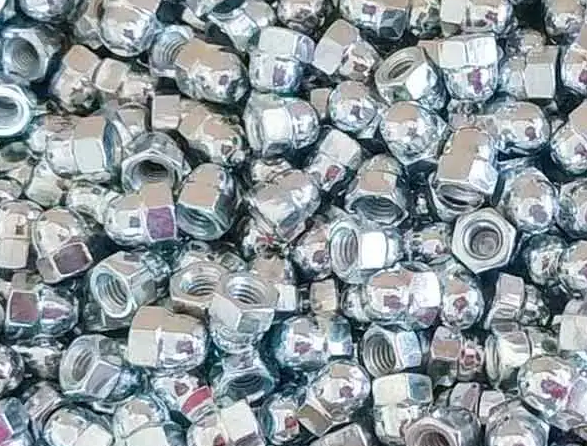
Carbon steel Nyloc nuts are commonly selected for applications where cost efficiency and mechanical strength are the primary considerations.
For environments exposed to moisture, salt spray, or chemicals, stainless steel options provide better long-term durability. Stainless steel nyloc nuts are often selected for applications requiring improved corrosion resistance and reliable performance under demanding conditions.
Material selection should also consider:
Bolt material compatibility
Temperature limitations
Required service life
Environmental exposure
A corrosion-resistant material alone does not guarantee optimal performance unless it matches the complete fastening system.
Load requirements are a critical factor when selecting Nyloc nuts for industrial applications.
Fastened joints may experience:
Tensile forces
Shear loads
Dynamic loading
Repeated stress cycles
A Nyloc nut works together with the bolt to maintain clamping force. The overall performance depends on several elements:
Bolt strength
Thread engagement
Tightening torque
Joint design
Contact surface condition
Using an unsuitable nut or bolt combination may reduce fastening reliability.
Before selecting a Nyloc nut, engineers should confirm:
Required load capacity
Thread specification
Bolt grade
Operating conditions
Proper matching between fastener components helps maintain joint stability throughout the equipment lifecycle.
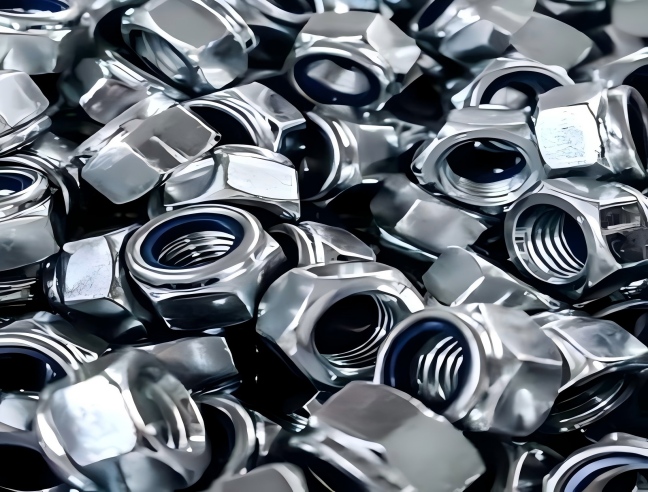
Nyloc nuts provide vibration resistance through a nylon insert located inside the nut.
During installation, the bolt thread compresses the nylon section, creating additional friction that increases resistance against rotational movement.
This design makes Nyloc nuts suitable for applications involving:
Moderate vibration
Repeated movement
Mechanical assemblies
General industrial equipment
However, vibration conditions should always be evaluated carefully.
For applications involving:
Extreme vibration
Heavy impact loads
High-temperature environments
engineers may need to consider alternative locking solutions.
The correct choice depends on:
Vibration intensity
Operating temperature
Maintenance requirements
Required service reliability
Corrosion can significantly reduce fastening reliability by affecting material strength and thread engagement.
Industrial environments may expose fasteners to:
Humidity
Salt water
Chemicals
Outdoor weather conditions
Cleaning processes
When corrosion resistance is important, stainless steel materials are often preferred.
Typical choices include:
Suitable for:
General outdoor applications
Industrial equipment
Food processing systems
Suitable for:
Marine environments
Coastal applications
Chemical processing equipment
Engineers should also evaluate compatibility between the nut and bolt materials to minimize risks such as galvanic corrosion.
Different operating environments require different fastening solutions.
| Working Environment | Recommended Consideration |
|---|---|
| Indoor machinery | Carbon steel or zinc-plated Nyloc nuts |
| Outdoor equipment | Corrosion-resistant materials |
| Marine applications | Stainless steel 316 options |
| Chemical environments | High corrosion resistance materials |
| Automotive systems | Vibration resistance and durability |
Indoor machinery usually has controlled environmental conditions.
Common applications include:
Manufacturing equipment
Assembly machines
Industrial structures
Standard steel or zinc-plated Nyloc nuts are often suitable for these environments.
Outdoor applications require improved protection against:
Rain
Humidity
Temperature changes
Stainless steel materials are commonly selected when long-term corrosion resistance is required.
Marine and chemical environments create additional challenges due to:
Salt exposure
Chemical contamination
High humidity
In these conditions, selecting the correct material is essential for maintaining long-term fastening performance.
Before purchasing Nyloc nuts, industrial buyers should confirm the following specifications:
| Specification | Importance |
|---|---|
| Thread size | Ensures compatibility with bolts |
| Thread standard | Confirms metric or imperial requirements |
| Material grade | Determines strength and corrosion resistance |
| Surface treatment | Influences durability |
| Nut dimensions | Ensures correct assembly |
| Quantity | Supports production planning |
Thread compatibility is especially important in industrial applications.
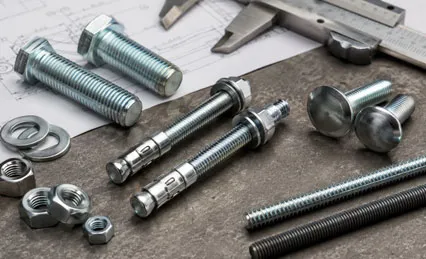
Understanding related fastening components, including hexagon nut specifications, helps engineers select suitable products for different mechanical assemblies.
For industrial procurement, selecting the right supplier is as important as selecting the right product.
Important purchasing factors include:
A professional supplier should provide:
Stable production processes
Accurate thread manufacturing
Consistent dimensions
Quality inspection procedures
Industrial projects may require:
Material certificates
Inspection reports
Production records
These documents help ensure that fasteners meet technical requirements.
Some applications may require:
Special materials
Customized dimensions
Specific packaging
Large-volume supply
Working with experienced nyloc nut suppliers allows buyers to obtain consistent quality, customized solutions, and reliable delivery support.
HKBOSTEC provides industrial fastening solutions designed for customers requiring reliable locking performance and consistent product quality.
The company supports applications including:
Industrial machinery
Automotive components
Engineering equipment
Manufacturing systems
With professional manufacturing processes and quality control procedures, HKBOSTEC helps customers select suitable fastening products according to actual application requirements.
Reliable fastening performance depends on more than product selection. Manufacturing accuracy, material consistency, and technical support are also essential factors for long-term success.
Nyloc nuts are locking fasteners designed to prevent loosening in threaded connections. They use a nylon insert to create additional friction between the nut and bolt.
Yes. Nyloc nuts provide effective resistance against vibration-related loosening in many industrial applications, especially where vibration levels are moderate.
Stainless steel Nyloc nuts are commonly selected for outdoor applications because they provide better corrosion resistance than standard steel options.
Nyloc nuts may lose some locking performance after repeated installation because the nylon insert can wear. Replacement is recommended for critical applications.
Temperature capability depends on the nylon insert material. For high-temperature applications, engineers should evaluate whether an all-metal locking solution is more suitable.
Buyers should provide:
Size
Thread specification
Material requirement
Surface treatment
Application environment
Quantity
This information allows suppliers to recommend suitable fastening solutions.
Choosing Nyloc nuts for industrial applications requires careful evaluation of material, load requirements, vibration conditions, corrosion resistance, and working environment.
There is no single solution suitable for every application. Carbon steel options may meet the needs of general machinery, while stainless steel materials provide improved performance in outdoor, marine, and corrosive environments.
For industrial buyers, supplier capability is also a key consideration. Consistent manufacturing quality, technical support, and customization options help ensure reliable fastening performance throughout the product lifecycle.
Looking for bulk nyloc nuts? HKBOSTEC provides industrial Nyloc nuts with reliable quality control, customized options, and professional support for different engineering applications.
https://www.iso.org/standard/61175.html
https://www.astm.org/membership-participation/technical-committees/committee-f16/scope-f16

 English