Search
Outdoor and marine fastening systems face some of the most challenging operating conditions in industrial applications. Continuous exposure to moisture, salt spray, temperature changes, and vibration can gradually reduce the reliability of standard fasteners.
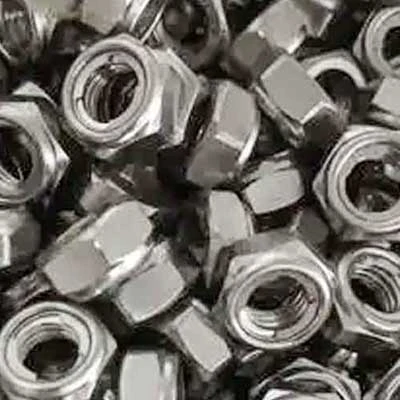
Stainless steel Nyloc nuts combine corrosion-resistant stainless steel construction with nylon insert locking technology, providing a practical solution for applications where both durability and vibration resistance are required. Selecting the correct stainless steel grade, thread specification, and fastening design is essential to achieving long-term performance.
For engineers, OEM manufacturers, and industrial buyers, choosing stainless steel Nyloc nuts requires careful evaluation of environmental exposure, mechanical requirements, and application conditions.
Outdoor equipment is exposed to changing environmental conditions that can accelerate fastener degradation. Rain, humidity, temperature fluctuations, and airborne contaminants can affect conventional steel fasteners over time.
Stainless steel Nyloc nuts provide several advantages for outdoor applications:
Improved corrosion resistance
Reliable locking performance
Long service life
Reduced maintenance requirements
Better appearance retention
Unlike standard steel nuts, stainless steel fasteners form a passive chromium oxide layer that helps protect the surface from oxidation. This makes them suitable for outdoor equipment where moisture exposure is unavoidable.
Common outdoor applications include:
Solar mounting systems
Construction equipment
Outdoor electrical enclosures
Agricultural machinery
Infrastructure projects
For applications requiring both corrosion resistance and reliable locking performance, stainless steel nyloc nuts provide a suitable fastening option.
However, material selection should always consider the actual environment. Outdoor applications located near coastal areas or industrial chemical zones may require higher corrosion resistance compared with general outdoor installations.
Marine environments create some of the most demanding conditions for fasteners due to continuous exposure to saltwater and chloride-containing environments.
Saltwater can accelerate corrosion because chloride ions can damage the protective oxide layer on ordinary metals.
When selecting stainless steel Nyloc nuts for marine applications, engineers usually consider:
Corrosion resistance
Mechanical strength
Exposure conditions
Service life requirements
Common stainless steel grades include:
| Stainless Steel Grade | Corrosion Resistance | Typical Applications |
|---|---|---|
| 304 Stainless Steel | Good general corrosion resistance | Outdoor equipment, general industrial applications |
| 316 Stainless Steel | Enhanced resistance to chlorides and marine environments | Marine equipment, coastal structures, chemical environments |
304 stainless steel is widely used for general outdoor and industrial applications where moderate corrosion resistance is required.
316 stainless steel contains molybdenum, which improves resistance to chloride corrosion. As a result, it is often preferred for environments involving:
Saltwater exposure
Coastal conditions
Marine equipment
Chemical processing
Choosing between 304 and 316 stainless steel depends on the severity of the environment rather than simply selecting the highest corrosion-resistant material for every application.
Saltwater environments require careful material selection because chloride exposure can significantly increase corrosion risks.
Stainless steel Nyloc nuts provide better corrosion resistance compared with standard carbon steel fasteners, but performance depends on the stainless steel grade.
For marine environments, important considerations include:
Salt concentration
Exposure duration
Temperature
Maintenance conditions
Contact with other metals
316 stainless steel is commonly selected for marine applications because of its improved resistance to chloride-related corrosion.
However, corrosion performance also depends on the complete fastening system, including:
Bolt material
Washers
Surface treatment
Installation conditions
Proper material compatibility helps reduce issues such as galvanic corrosion and premature fastener failure.
Corrosion resistance alone is not enough for reliable fastening. Outdoor and marine equipment often experience continuous vibration from mechanical operation, waves, wind, or vehicle movement.
Stainless steel Nyloc nuts use a nylon insert locking mechanism to reduce unwanted rotation.
During installation:
The bolt thread passes through the nylon insert.
The insert creates additional friction.
The increased resistance helps prevent self-loosening caused by vibration.
This makes stainless steel Nyloc nuts suitable for applications involving:
Marine equipment
Outdoor machinery
Transportation systems
Industrial assemblies
However, the correct locking solution depends on vibration intensity, temperature limitations, and load conditions.
For extreme vibration environments, engineers may need to evaluate alternative locking methods.
Selecting between 304 and 316 stainless steel depends mainly on environmental exposure.
| Feature | Stainless Steel 304 | Stainless Steel 316 |
|---|---|---|
| General corrosion resistance | Excellent | Excellent |
| Chloride resistance | Moderate | Higher |
| Saltwater suitability | Limited to moderate exposure | Preferred for marine environments |
| Outdoor applications | Widely used | Suitable for demanding outdoor conditions |
| Chemical environments | Depends on chemicals | Better resistance in many cases |
| Cost | Lower | Higher |
304 stainless steel is commonly selected for:
General outdoor equipment
Indoor industrial systems
Food processing equipment
Architectural applications
It provides a good balance between corrosion resistance and cost efficiency.
316 stainless steel is more suitable for:
Marine equipment
Coastal installations
Saltwater exposure
Chemical processing environments
The higher corrosion resistance makes it a preferred option when long-term durability is a priority.
Stainless steel Nyloc nuts are used across industries where reliable locking performance and corrosion resistance are required.
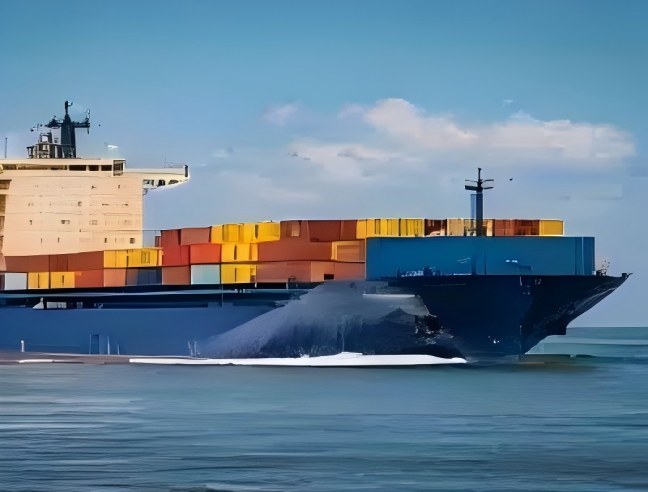
Marine environments require fastening components that can withstand:
Saltwater exposure
High humidity
Continuous vibration
Temperature changes
Typical applications include:
Boat equipment
Marine hardware
Offshore structures
Coastal installations
For these demanding conditions, selecting the correct marine fastener solution helps improve equipment reliability and reduce maintenance requirements.
Outdoor industrial applications often require fasteners that can maintain performance despite environmental exposure.
Examples include:
Solar mounting systems
Outdoor machinery
Construction equipment
Communication infrastructure
Stainless steel Nyloc nuts provide both corrosion resistance and locking capability for these applications.
Some processing environments require fasteners that resist corrosion while maintaining hygienic and reliable performance.
Stainless steel materials are commonly selected because they provide:
Smooth surface characteristics
Corrosion resistance
Long service life
Material selection should always consider cleaning processes and chemical exposure.
Selecting stainless steel Nyloc nuts requires evaluating several technical factors.
Consider:
Environmental exposure
Corrosion risks
Required service life
304 and 316 stainless steel are common choices depending on application requirements.
Confirm:
Metric or imperial thread
Thread diameter
Thread pitch
Bolt compatibility
Incorrect thread selection can affect installation quality and fastening reliability.
Evaluate:
Static loads
Dynamic loads
Vibration conditions
Joint design
The nut must match the mechanical requirements of the entire fastening system.
Industrial buyers should consider:
Manufacturing consistency
Quality inspection
Material traceability
Customization capability
Production capacity
Reliable supply is especially important for OEM and large-volume industrial projects.
HKBOSTEC provides stainless steel fastening solutions designed for industrial customers requiring reliable performance in demanding environments.
The company supports applications including:
Marine equipment
Outdoor machinery
Industrial assemblies
OEM manufacturing projects
HKBOSTEC focuses on:
Material selection support
Manufacturing consistency
Quality control
Customized fastening solutions
By understanding application requirements, HKBOSTEC helps customers select suitable stainless steel locking fasteners for different operating conditions.
Stainless steel Nyloc nuts provide improved corrosion resistance and are better suited for outdoor, marine, and humid environments where standard steel fasteners may experience faster degradation.
Yes. Stainless steel Nyloc nuts are commonly used in marine applications. For severe saltwater exposure, 316 stainless steel is often preferred because of its enhanced chloride resistance.
316 stainless steel provides higher resistance to chloride exposure and is generally preferred for coastal and marine environments. For general outdoor applications, 304 stainless steel is often sufficient.
Yes. The nylon insert creates additional friction that helps prevent loosening caused by vibration. Performance depends on vibration level, temperature, and load conditions.
Common industries include:
Marine
Construction
Renewable energy
Food processing
Industrial equipment manufacturing
Consider:
Material quality
Manufacturing capability
Inspection procedures
Customization options
Supply reliability
A qualified supplier should be able to support both technical requirements and production needs.
Stainless steel Nyloc nuts provide a reliable fastening solution for outdoor and marine applications where corrosion resistance and vibration protection are equally important.
The correct choice depends on several factors, including stainless steel grade, environmental exposure, load conditions, and application requirements. While 304 stainless steel is suitable for many general outdoor applications, 316 stainless steel is often preferred for marine and chloride-rich environments.
For industrial buyers, selecting the right fastening partner is equally important. Consistent quality, accurate manufacturing, and technical support help ensure long-term connection reliability.
Looking for reliable nyloc nuts for outdoor and marine projects? HKBOSTEC supplies stainless steel locking fasteners designed for demanding industrial applications.
https://www.iso.org/standard/70775.html
https://www.astm.org/a0240_a0240m.html

 English