Search
A flange connection is only as reliable as the fastening system that maintains its sealing performance. In industrial piping systems, pressure vessels, and process equipment, stud bolts are responsible for generating the clamping force required to keep flange joints secure under pressure, temperature changes, vibration, and mechanical stress.
Selecting the correct stud bolts is not simply about matching dimensions. Engineers and procurement teams must evaluate multiple technical factors, including flange standards, material grades, operating temperature, pressure requirements, corrosion exposure, thread accuracy, and tightening methods. A fastener that performs well in a general industrial environment may not provide sufficient reliability in high-pressure or corrosive applications.
For industries such as oil & gas, petrochemical processing, power generation, and marine engineering, the performance of flange connections directly affects equipment safety, maintenance efficiency, and operational continuity. Proper stud bolt selection helps maintain gasket compression, reduce leakage risks, and extend the service life of critical equipment.
This guide explains how to choose stud bolts for flange connections, covering material selection, sizing requirements, industry standards, installation considerations, and supplier evaluation methods.
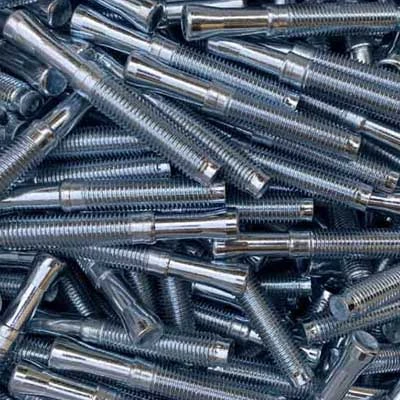
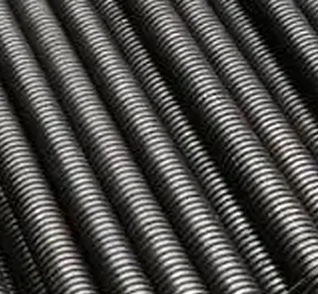
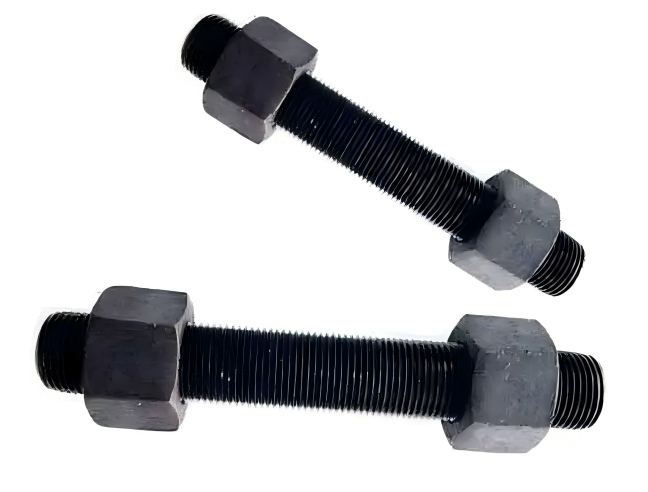
Stud bolts are specially designed threaded fasteners commonly used in flange assemblies, pressure equipment, and industrial piping systems. Unlike conventional bolts that have a fixed head on one end, stud bolts typically have threads along their length and are installed with nuts on both ends.
The main purpose of a stud bolt is to provide controlled and consistent clamping force between flange surfaces. This force compresses the gasket and creates a reliable seal capable of withstanding internal pressure and external operating conditions.
Common applications include:
Oil and gas pipelines
Petrochemical plants
Pressure vessels
Heat exchangers
Industrial valves
Power generation equipment
Offshore platforms
Marine systems
A complete flange connection depends on the interaction between:
Flanges
Gaskets
Stud bolts
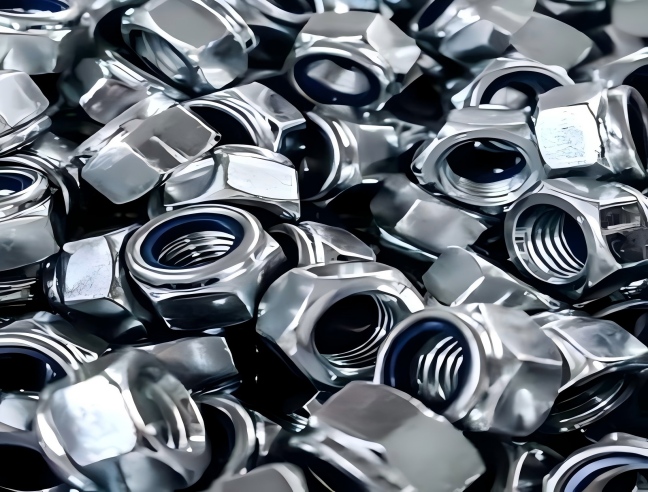
Nuts
Tightening procedures
Even when the flange design is correct, improper fastener selection can result in leakage, bolt fatigue, or premature joint failure.
Choosing the correct stud bolts requires understanding the operating environment and mechanical requirements of the flange system.
The key selection factors include:
Flange standard compatibility
Pressure rating
Temperature range
Material strength
Corrosion resistance
Thread specifications
Installation requirements
The first step is identifying the flange specification. Industrial flange connections are normally designed according to international standards such as:
ASME B16.5
ASME B16.47
API specifications
DIN standards
EN standards
These standards define important fastening parameters, including:
| Parameter | Description |
|---|---|
| Bolt diameter | Determines the load capacity of the connection |
| Stud length | Ensures sufficient thread engagement |
| Thread specification | Controls installation accuracy |
| Bolt spacing | Influences load distribution |
| Material grade | Determines strength and service capability |
A flange designed for high-pressure service requires different stud bolt performance compared with a lower-pressure system, even if the pipe diameter is identical.
Choosing fasteners only based on size without considering pressure class may cause insufficient sealing force or excessive stress on the flange assembly.
Material selection is one of the most important factors affecting stud bolt performance. The correct material depends on operating temperature, pressure conditions, corrosion exposure, and chemical environment.
Carbon steel and alloy steel are widely used for industrial flange connections because of their excellent mechanical strength and cost efficiency.
Common grades include:
| Material Grade | Typical Application | Advantages |
|---|---|---|
| ASTM A193 B7 | High-pressure piping and process equipment | High tensile strength and temperature resistance |
| ASTM A320 L7 | Low-temperature applications | Good impact toughness |
| ASTM A193 B7M | Corrosive environments | Improved corrosion resistance |
ASTM A193 B7 stud bolts are among the most commonly selected fasteners for industrial flange systems because they provide reliable performance in high-pressure and elevated-temperature applications.
Typical industries include:
Refineries
Chemical processing plants
Power stations
Industrial pipelines
When flange connections operate in environments exposed to moisture, chemicals, or saltwater, stainless steel materials are often selected because of their improved corrosion resistance.
Common stainless steel grades include:
Stainless steel 304
Stainless steel 316
ASTM A193 B8
ASTM A193 B8M
For applications involving marine exposure, chemical processing, and outdoor installation, 316 stainless steel stud bolts provide enhanced resistance against chloride corrosion and environmental degradation.
The advantages of stainless steel stud bolts include:
Better corrosion resistance
Longer service life
Reduced maintenance requirements
Improved performance in harsh environments
However, material selection should always consider the complete operating environment. Factors such as temperature, chemical concentration, and galvanic corrosion risks should be evaluated before final selection.
The correct stud bolt size depends on the flange design, pressure rating, and engineering requirements. There is no universal stud bolt size suitable for every flange connection.
Engineers normally consider:
Nominal pipe size
Flange pressure class
Number of bolt holes
Gasket thickness
Required preload
Operating conditions
Important dimensional factors include:
| Dimension | Importance |
|---|---|
| Diameter | Determines tensile strength and load capacity |
| Length | Ensures proper flange and nut engagement |
| Thread pitch | Affects tightening accuracy |
| Thread length | Provides sufficient engagement |
| Surface treatment | Improves corrosion protection |
Incorrect stud bolt length can create installation issues.
A stud bolt that is too short may result in inadequate thread engagement, while an excessively long stud increases cost and may complicate maintenance operations.
Stud bolts are widely used in industrial flange systems because their design provides several advantages compared with conventional bolts.
Because stud bolts are tightened using nuts on both ends, the applied force can be distributed more evenly across the flange connection.
This helps:
Maintain gasket compression
Reduce leakage possibility
Improve joint stability
Industrial equipment often requires regular inspection and maintenance. Stud bolts simplify flange disassembly because they remain positioned between flange sections while nuts are removed.
This is especially beneficial for:
Large diameter piping
Heavy equipment
Pressure vessel maintenance
Many industrial systems experience repeated heating and cooling cycles. Temperature changes can affect bolt tension due to thermal expansion and contraction.
Properly selected stud bolts help maintain stable preload and reduce the risk of connection failure.
The quality of stud bolts directly influences the performance of the entire flange assembly. Manufacturing accuracy, material consistency, and inspection procedures all affect long-term reliability.
Thread quality determines how effectively the nut transfers tightening force to the flange joint.
High-quality stud bolts should provide:
Accurate thread dimensions
Smooth nut engagement
Consistent mechanical performance
Poor thread quality may lead to:
Uneven tightening
Incorrect torque application
Reduced preload
Installation difficulties
Oil and gas facilities place extremely high demands on flange connections. Equipment used in refineries, pipelines, offshore platforms, and petrochemical plants often operates under high pressure, elevated temperatures, and continuous exposure to aggressive environments.
For these applications, stud bolt selection must consider more than basic mechanical strength. Engineers need to evaluate:
Pressure and temperature ratings
Material compatibility with process media
Corrosion risks
Fatigue resistance
Installation requirements
Long-term maintenance conditions
Typical applications include:
Pipeline flange connections
Pressure control equipment
Heat exchangers
Pumps and compressors
Valves
Storage tanks
Offshore processing systems
A reliable fastening system ensures that flange joints maintain sufficient compression on gaskets throughout operation.
Different industries select stud bolt grades based on operating conditions and required mechanical performance.
ASTM A193 B7 is one of the most commonly used materials for industrial flange connections.
Its advantages include:
High tensile strength
Good resistance to elevated temperatures
Reliable performance in pressure applications
Wide acceptance in industrial standards
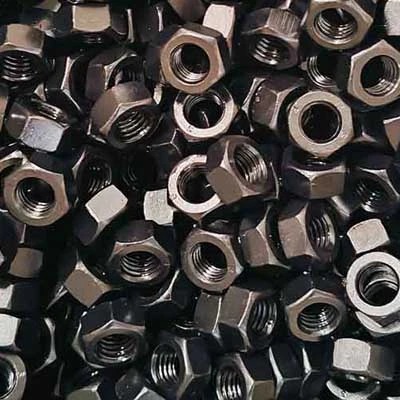
B7 stud bolts are frequently paired with ASTM A194 Grade 2H heavy hex nuts to create complete flange fastening assemblies.
For low-temperature environments, ASTM A320 L7 stud bolts are often selected because they provide improved toughness at reduced temperatures.
Typical applications include:
Cryogenic systems
LNG facilities
Low-temperature process equipment
Stainless steel options are commonly selected for applications where corrosion resistance is more important than maximum tensile strength.
They are suitable for:
Marine environments
Chemical processing equipment
Outdoor installations
Food and pharmaceutical systems
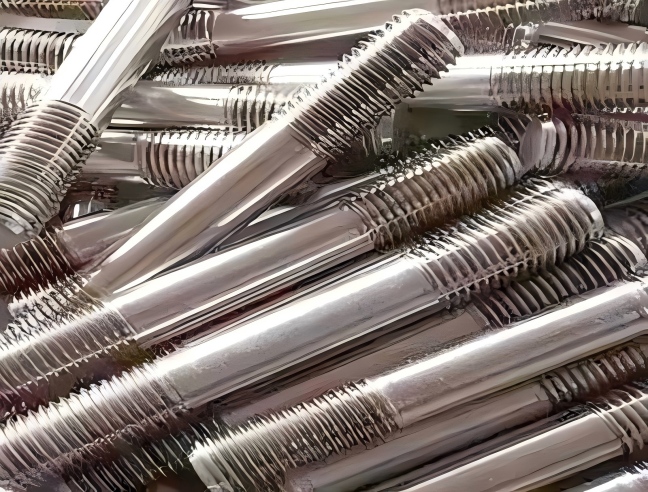
When selecting industrial fasteners, many buyers compare suppliers based on production capability, quality control, and technical support. Experienced suppliers of stud bolts china can provide different material grades, sizes, and customized specifications according to project requirements.
Correct installation is essential because flange performance depends heavily on achieving the proper bolt preload.
Even a high-quality stud bolt may fail if installation procedures are incorrect.
Torque tightening is one of the most common installation methods.
The required torque depends on:
Bolt diameter
Material grade
Lubrication condition
Thread friction
Required preload
Incorrect torque control may cause:
| Installation Issue | Possible Result |
|---|---|
| Insufficient tightening force | Gasket leakage |
| Excessive torque | Bolt overstress or thread damage |
| Uneven tightening sequence | Uneven gasket compression |
A controlled tightening sequence is important to ensure uniform pressure distribution across the flange.
For large industrial flange assemblies, hydraulic tensioning is often preferred because it provides more accurate preload control.
Advantages include:
Improved tightening consistency
Reduced operator variation
Better suitability for large diameter stud bolts
Hydraulic tensioning is commonly used in:
Offshore platforms
Power plants
Large pressure vessels
Heavy industrial equipment
Understanding common failure causes helps engineers avoid unexpected downtime and improve connection reliability.
Corrosion is one of the most common causes of fastener degradation.
Potential corrosion sources include:
Saltwater exposure
Chemical chemicals
Humidity
Outdoor weather conditions
Process fluids
Selecting suitable materials and protective treatments helps extend stud bolt service life.
Industrial equipment may experience repeated mechanical stress caused by:
Pump vibration
Compressor operation
Pressure fluctuations
Thermal cycling
Over time, repeated stress cycles can reduce fastener strength.
Proper preload control and correct material selection help improve fatigue resistance.
Using a stud bolt material that does not match the application environment can result in premature failure.
Examples:
Carbon steel used in highly corrosive environments
Incorrect stainless steel grade in chloride exposure
Low-strength fasteners used in high-pressure systems
Material selection should always consider actual operating conditions rather than only initial cost.
Selecting the right supplier is an important part of industrial procurement. A qualified supplier should provide not only products but also technical support, quality assurance, and consistent delivery capability.
Professional suppliers should have:
Stable production capacity
Advanced machining equipment
Strict quality inspection systems
Custom manufacturing capability
For engineering projects, consistent product quality is often more important than simply purchasing standard fasteners at the lowest price.
Industrial customers commonly require documentation such as:
Material certificates
Inspection reports
Dimensional records
Mechanical test results
These documents help verify that products meet project specifications.
Different projects may require:
Different thread standards
Special dimensions
Specific materials
Surface treatments
Customized packaging
A supplier capable of supporting different requirements can reduce procurement complexity.
HKBOSTEC focuses on industrial fastening solutions for customers requiring reliable performance in demanding environments. Through professional manufacturing processes and application-oriented support, HKBOSTEC helps customers select suitable fasteners for flange systems, machinery, and industrial equipment.
Avoiding common selection mistakes can significantly improve flange reliability.
The cheapest option may not always provide the required performance for critical industrial applications.
Important factors include:
Material quality
Manufacturing standards
Certification availability
Long-term reliability
A stud bolt suitable for indoor equipment may not perform effectively in offshore or chemical processing environments.
Engineers should evaluate:
Temperature exposure
Corrosion conditions
Pressure requirements
Maintenance cycles
Mixing incompatible standards can create installation problems and reduce connection performance.
Always verify:
Material standards
Thread specifications
Flange compatibility
Nut requirements
A stud bolt is typically threaded on both ends and used with nuts on both sides, making it suitable for flange connections. A regular bolt usually has a fixed head and is used for general mechanical fastening applications.
ASTM A193 B7 alloy steel is widely used for industrial flange applications because of its strength and temperature resistance. Stainless steel grades are selected when corrosion resistance is required.
The required length depends on flange thickness, gasket thickness, nut dimensions, and required thread engagement. The calculation should follow the applicable flange standard.
Reuse depends on application requirements and inspection results. For critical pressure systems, replacing used fasteners is often recommended to maintain reliability.
Stainless steel stud bolts provide improved resistance against moisture and chloride exposure, making them suitable for marine and coastal environments.
Buyers should provide:
Material grade
Diameter and length
Thread specification
Quantity
Applicable standards
Operating conditions
This information helps suppliers recommend the correct fastening solution.
Choosing the correct stud bolts for flange connections requires a detailed understanding of application conditions, material performance, flange standards, and installation requirements. The right fastening solution helps maintain gasket compression, prevent leakage, and improve equipment reliability in demanding industrial environments.
For oil and gas, petrochemical, power generation, and marine applications, stud bolt selection should focus on long-term performance rather than only initial purchase cost. Factors such as corrosion resistance, tensile strength, manufacturing quality, and supplier capability all influence the success of a flange connection.
HKBOSTEC provides industrial fastening solutions designed for demanding engineering applications. With professional production capabilities, quality control processes, and experience supporting different industries, HKBOSTEC helps customers select reliable fastening products for critical connections.
By choosing suitable stud bolts and following proper installation practices, companies can improve operational safety, reduce maintenance requirements, and achieve more dependable industrial performance.
https://www.asme.org/codes-standards/find-codes-standards/b16-5-pipe-flanges-flanged-fittings
https://www.iso.org/ics/21.060/x/

 English