Search
Selecting the right fastening components is essential for achieving strong, stable, and durable connections in furniture manufacturing and industrial assembly. Barrel nuts provide an effective solution for applications requiring concealed fastening, high connection strength, and repeated assembly capability.
Unlike traditional nuts that require external access during installation, barrel nuts are designed with a cylindrical body and internal threads, allowing bolts or screws to connect components from different directions. This unique structure makes them especially suitable for furniture panels, wooden structures, metal frames, and modular industrial assemblies.
The correct selection of barrel nuts depends on several factors, including material, thread specification, load requirements, installation method, and application environment. For manufacturers, choosing suitable fastening components can directly influence product stability, assembly efficiency, and long-term reliability.
A barrel nut is a cylindrical fastener with an internally threaded hole that is commonly used together with bolts or screws to create a strong mechanical joint. Unlike standard nuts, barrel nuts are installed inside a drilled hole or slot, allowing them to remain hidden within the assembled structure.
The working principle of a barrel nut is based on cross fastening. A bolt passes through one component and engages with the internal thread of the barrel nut positioned inside another component. When tightened, the bolt pulls the connected parts together, creating a secure and stable joint.
This fastening method provides several advantages:
Strong clamping force between connected components
Clean appearance because the fastener can be concealed
Easy disassembly for maintenance or transportation
Suitable for modular product designs
Barrel nuts are widely used in furniture and industrial assemblies because they provide strong internal threads and allow secure connections between components. By selecting suitable barrel nuts, manufacturers can achieve reliable fastening performance while maintaining efficient assembly processes.
Furniture manufacturers often require fastening solutions that combine strength, appearance, and assembly flexibility. Traditional screws may provide sufficient holding force in some applications, but they are not always suitable for products requiring repeated installation, transportation, or adjustment.
Barrel nuts solve these challenges by creating durable threaded connections inside furniture components while keeping the exterior surface clean and visually appealing.
Modern furniture production frequently uses flat-pack designs that require products to be shipped efficiently and assembled by customers or installers. Barrel nuts allow manufacturers to create strong joints that can be assembled and disassembled multiple times without damaging the material.
Typical applications include:
Wooden cabinets
Tables and chairs
Office furniture
Storage systems
Modular furniture structures
Wood-based materials such as MDF, particle board, plywood, and solid wood require fastening solutions that distribute loads effectively. Barrel nuts help reduce stress concentration compared with traditional screw connections.
Because the internal thread is contained within the barrel body, the connection can maintain better performance during repeated assembly cycles.
For premium furniture products, visible hardware can affect overall appearance. Barrel nuts allow manufacturers to hide connection points while maintaining mechanical strength.
This makes them particularly valuable for:
High-end furniture
Customized interior products
Commercial furniture systems
Although barrel nuts are widely recognized in furniture manufacturing, they are also used in various industrial applications where compact and reliable fastening solutions are required.
Industrial equipment often requires components that can be removed and replaced during maintenance. Barrel nuts provide reusable threaded connections that support modular equipment designs.
In lightweight metal structures, barrel nuts can provide secure fastening points without requiring complex welding processes.
Equipment covers, protective panels, and modular housings often require concealed fastening solutions. Barrel nuts help create strong joints while maintaining a clean external design.
Barrel nuts are available in different designs to meet specific assembly requirements. Selecting the correct type depends on thread size, material compatibility, installation method, and expected load.
Standard barrel nuts feature a cylindrical body with internal threading. They are commonly used in furniture and general assembly applications where reliable fastening performance is required.
Cross dowel barrel nuts are widely used in furniture because they allow perpendicular bolt connections. Their design provides strong clamping force while maintaining a concealed appearance.
For industrial applications, customized barrel nuts may be manufactured with specific thread sizes, materials, coatings, or dimensions to meet project requirements.
Choosing the correct barrel nut requires evaluating the complete fastening system rather than selecting based only on dimensions.
The thread specification must match the connecting bolt or screw. Incorrect thread compatibility can lead to poor engagement, reduced strength, or installation difficulties.
Important considerations include:
Thread diameter
Thread pitch
Bolt length
Required tightening torque
Material selection affects durability, corrosion resistance, and load performance. Common barrel nut materials include steel, stainless steel, and zinc-plated steel.
For general furniture applications, zinc-plated steel provides a balance between strength and cost efficiency. For industrial environments requiring higher corrosion resistance, stainless steel options may be more suitable.
The expected load condition is another important factor when selecting barrel nuts. Furniture applications may require moderate holding strength, while industrial assemblies may require higher mechanical performance.
Engineers should evaluate:
Static loads
Dynamic loads
Vibration conditions
Frequency of assembly and disassembly
Selecting a barrel nut with suitable mechanical strength helps prevent thread damage, loosening, and connection failure during long-term use.
The material and surface treatment of barrel nuts directly influence their durability, corrosion resistance, and service performance. Different applications require different levels of protection and mechanical strength.
| Material | Advantages | Typical Applications |
|---|---|---|
| Carbon Steel | High strength and cost-effective performance | Furniture assembly, general industrial applications |
| Zinc-Plated Steel | Improved corrosion resistance with economical pricing | Indoor furniture and equipment assembly |
| Stainless Steel | Excellent corrosion resistance and long service life | Outdoor furniture, industrial environments, humid conditions |
Common surface treatments include zinc plating, nickel plating, and other protective coatings. These treatments help improve resistance against oxidation and environmental exposure.
For industrial projects, selecting the correct surface treatment can significantly improve the service life of fastening components.
Different fastening methods provide different advantages depending on the application. Barrel nuts are often selected because they combine strength, flexibility, and aesthetic advantages.
| Feature | Barrel Nuts | Traditional Screws |
|---|---|---|
| Connection Strength | Provides strong internal threaded connections | Depends on base material strength |
| Appearance | Can be concealed inside components | Often visible on finished surfaces |
| Repeated Assembly | Suitable for repeated installation and removal | Threads may wear in softer materials |
| Application Flexibility | Suitable for modular structures | More limited in some applications |
For furniture and modular industrial products, barrel nuts often provide a more reliable solution when manufacturers need both mechanical performance and assembly flexibility.
Proper installation is essential to achieving the expected performance of barrel nut connections. Incorrect installation may reduce joint strength or create alignment problems.
The hole diameter and depth must match the barrel nut specifications. An incorrect hole size may prevent proper seating or reduce connection stability.
Manufacturers should verify:
Hole diameter accuracy
Installation depth
Alignment between components
Compatibility with connecting bolts
Because barrel nuts rely on internal thread engagement, correct alignment between the barrel nut and connecting bolt is important.
Misalignment may cause cross-threading, reduced tightening performance, or damage to the fastener.
Over-tightening can damage threads or surrounding materials, while insufficient tightening may result in loose connections.
Manufacturers should follow recommended torque values based on barrel nut size, material, and application requirements.
In some applications, the barrel nut may rotate inside the installation hole when the bolt is tightened.
Possible solutions include:
Using suitable barrel nut designs
Ensuring correct hole dimensions
Selecting anti-rotation structures when required
Thread damage may occur due to incorrect bolt selection, excessive tightening force, or poor alignment.
Using compatible bolts and maintaining proper installation procedures helps prevent thread-related failures.
Insufficient tightening may reduce joint stability. Selecting the correct barrel nut size and applying appropriate installation torque helps maintain reliable connections.
Selecting a reliable fastening supplier is important for manufacturers that require consistent quality, accurate specifications, and stable supply capability.
Chinbefast provides industrial fastening solutions for furniture manufacturers, equipment producers, and global industrial customers. The company focuses on delivering reliable products with professional support for different assembly requirements.
Chinbefast advantages include:
Wide range of industrial fastening products
Support for customized specifications
Quality-focused manufacturing processes
Experience serving international customers
Professional assistance for product selection
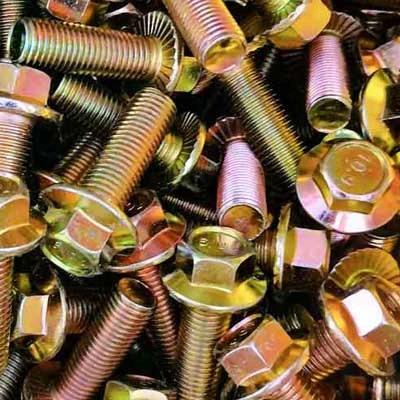
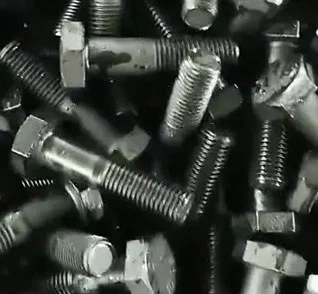
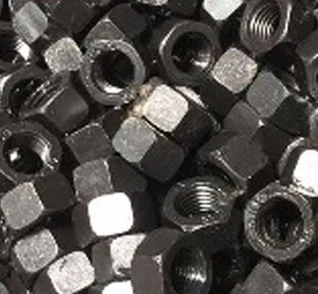
In addition to barrel nut solutions, Chinbefast provides other fastening components including hex bolts and nuts for applications requiring durable mechanical connections and reliable assembly performance.
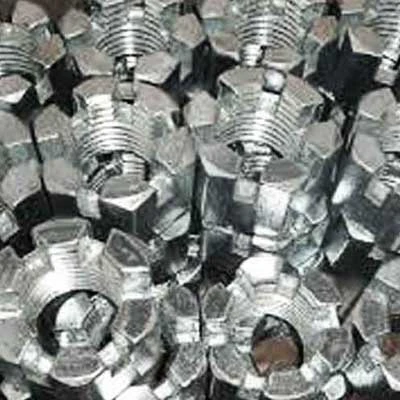
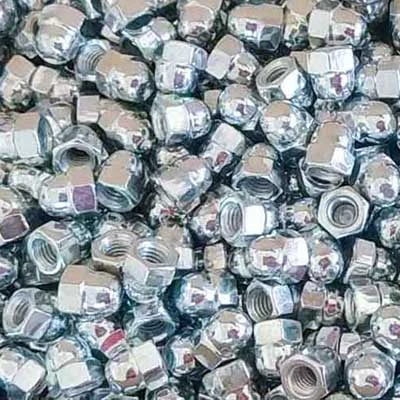
For manufacturers sourcing different connection components, selecting suitable fastener nuts can help achieve stable fastening performance across furniture, machinery, and industrial assembly applications.
Barrel nuts are mainly used for creating strong concealed threaded connections in furniture and industrial assemblies. They are commonly applied in cabinets, tables, modular furniture, equipment panels, and mechanical structures.
Barrel nuts provide strong joints while maintaining a clean appearance. They also allow furniture components to be assembled and disassembled multiple times without significantly reducing connection performance.
Common materials include carbon steel, zinc-plated steel, and stainless steel. The appropriate material depends on strength requirements, corrosion conditions, and application environment.
Barrel nuts distribute fastening forces through internal threads, reducing stress on wood-based materials and improving connection reliability compared with some direct screw fastening methods.
Yes. Manufacturers can customize barrel nuts according to thread size, material, surface treatment, dimensions, and specific assembly requirements.
Yes. Besides furniture, barrel nuts can be used in industrial assemblies where concealed fastening, modular design, and reliable threaded connections are required.
Barrel nuts provide an effective fastening solution for furniture and industrial assembly applications where strong, reusable, and concealed connections are required. Their unique cylindrical design allows manufacturers to create reliable threaded joints in wood, metal, and composite materials.
Selecting the correct barrel nut requires careful consideration of thread specifications, material selection, load requirements, and installation conditions. Proper fastener selection not only improves assembly efficiency but also enhances product durability and user experience.
With professional fastening experience and a broad product range, Chinbefast supports global customers with reliable solutions for furniture manufacturing and industrial assembly requirements. By combining quality manufacturing, technical expertise, and customized support, Chinbefast helps businesses build stronger and more efficient products.

 English