Search
Stud bolts are critical fastening components used in demanding industrial environments where reliable clamping force, structural stability, and long-term connection performance are required. They are widely applied in industries such as oil and gas, petrochemical processing, power generation, construction, and heavy machinery manufacturing.
Unlike conventional bolts, stud bolts provide unique advantages in flange connections and high-pressure equipment assemblies. Their threaded design allows precise tightening control, easier maintenance, and better load distribution, making them an essential fastening solution for industrial projects requiring high reliability.
Selecting the correct stud bolt requires consideration of multiple factors, including material grade, thread specification, operating temperature, corrosion conditions, pressure requirements, and applicable industry standards. This guide explains the key aspects engineers and purchasing teams should understand when choosing stud bolts for industrial fastening applications.
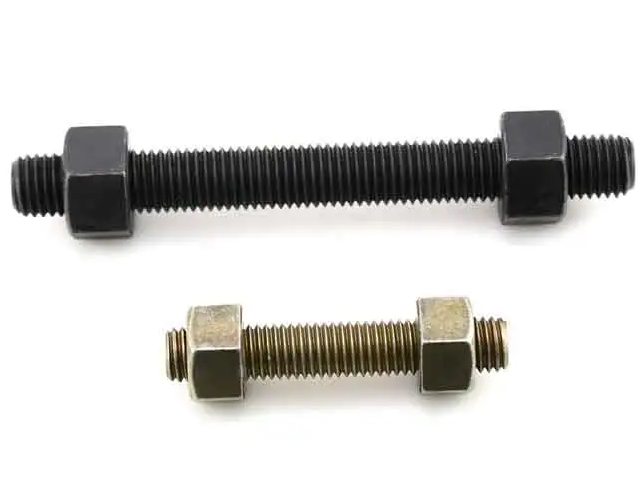
A stud bolt is a threaded fastener consisting of a cylindrical rod with threads on one or both ends. Unlike standard bolts that include a fixed head, stud bolts are generally installed with nuts on one or both sides to create a strong mechanical connection.
In industrial applications, stud bolts are commonly used for flange assemblies. The stud passes through aligned flange holes, and nuts are tightened to generate axial tension. This tension compresses the gasket between flange surfaces, creating a sealed connection capable of handling high pressure and temperature conditions.
The main working principle of a stud bolt is based on controlled preload. When properly tightened, the bolt stretches slightly and generates a clamping force that keeps connected components securely assembled during operation.
Provides consistent clamping force for critical connections
Supports high-pressure and high-temperature applications
Allows easier installation and removal during equipment maintenance
Improves connection reliability compared with many conventional fastening methods
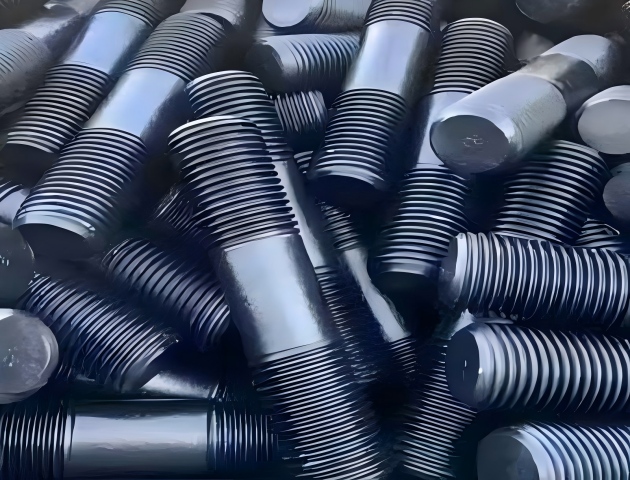
Industrial equipment often operates under extreme conditions, including vibration, thermal expansion, pressure fluctuations, and corrosive environments. These conditions require fastening solutions that can maintain mechanical integrity over long service periods.
Stud bolts are preferred in many industrial systems because they offer several operational advantages:
Improved maintenance efficiency: Individual studs can be replaced without replacing an entire assembly.
Better load distribution: Thread engagement on both ends helps achieve stable tightening performance.
High adaptability: Different materials, coatings, and dimensions can be selected according to application requirements.
Reliable flange sealing: Properly installed stud bolts help maintain gasket compression and reduce leakage risks.
For industries where equipment downtime can result in significant costs, choosing the correct fastening solution is an important part of overall system reliability.
Although stud bolts share similar basic structures, different configurations are designed for specific industrial applications. Understanding these variations helps engineers select the right option for their projects.
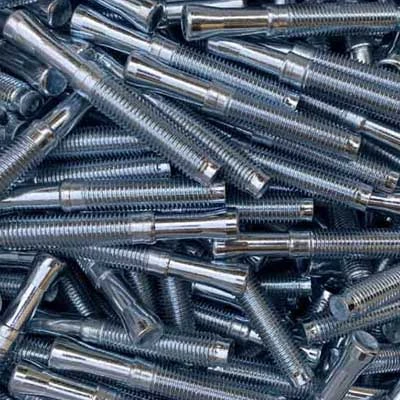
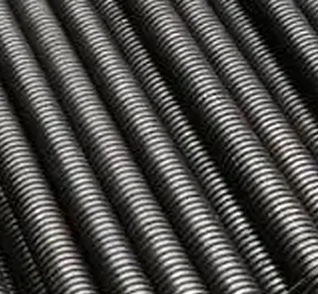
Full thread stud bolts feature continuous threading across the entire length of the stud. This design provides installation flexibility because nuts can be positioned at different points along the threaded section.
They are commonly used in:
Pipeline flange connections
Pressure vessel assemblies
Industrial machinery installation
General equipment fastening applications
Double end stud bolts contain threaded sections on both ends with an unthreaded center area. This design is often selected where controlled stress distribution and precise assembly are required.
Typical applications include:
Heavy machinery components
Engine assemblies
Industrial equipment connections
Tap end stud bolts are designed with one threaded end installed into a tapped hole and another threaded end secured with a nut. They are frequently used in equipment manufacturing where direct attachment to a component is required.
Material selection directly affects stud bolt performance, especially in applications involving corrosion, high temperatures, or chemical exposure. Engineers usually select materials based on mechanical requirements and environmental conditions.
| Material | Main Characteristics | Typical Applications |
|---|---|---|
| Carbon Steel | Cost-effective with good mechanical strength | General industrial equipment and standard fastening applications |
| Stainless Steel | Excellent corrosion resistance and durability | Chemical processing, food equipment, outdoor installations |
| Alloy Steel | High strength and temperature resistance | Pressure vessels, power generation, oil and gas equipment |
| Nickel Alloy | Superior resistance to extreme chemical and thermal conditions | Specialized chemical and high-temperature applications |
For example, carbon steel stud bolts may be suitable for general industrial projects, while alloy steel grades are commonly selected for high-pressure systems requiring enhanced mechanical performance.
Industrial fastening systems require strict control of material quality and manufacturing standards. Stud bolt grades define important properties such as tensile strength, corrosion resistance, and temperature capability.
Common stud bolt specifications include ASTM A193, ASTM A320, and other internationally recognized standards used in pressure equipment and industrial applications.
Among these grades, ASTM A193 B7 stud bolts are widely used in high-temperature and high-pressure environments because they provide strong mechanical properties and reliable performance under demanding conditions.
Before purchasing industrial fasteners, buyers should verify:
Material test certificates
Heat treatment records
Dimensional inspection reports
Thread accuracy
Surface treatment requirements
Choosing a suitable stud bolt requires evaluating the entire connection system rather than focusing only on bolt size. The correct selection ensures proper sealing performance, mechanical strength, and service reliability.
Stud bolt dimensions must match the flange design, pressure class, and installation requirements. Incorrect bolt length or diameter may affect gasket compression and reduce sealing effectiveness.
Industrial environments may involve:
High operating temperatures
Pressure changes
Chemical exposure
Mechanical vibration
Outdoor corrosion risks
Each factor influences the required material grade and surface treatment.
Thread design affects installation accuracy and load performance. Engineers should consider thread type, pitch, tolerance, and compatibility with matching nuts.
For projects requiring specific dimensions or customized requirements, working with an experienced manufacturer that provides stud bolts according to drawings and technical specifications can help ensure reliable performance.
Even when the correct stud bolt material and specification are selected, installation quality plays a critical role in achieving the expected connection performance. Incorrect tightening procedures, damaged threads, or inconsistent preload can reduce service life and increase the risk of leakage or mechanical failure.
Industrial flange connections require accurate control of bolt preload. Excessive tightening may cause thread damage, bolt overstressing, or flange deformation, while insufficient tightening may result in gasket leakage.
Common industrial tightening methods include:
Torque-controlled tightening
Hydraulic bolt tensioning
Combined torque and angle tightening methods
Load measurement systems for critical applications
For high-pressure equipment, following the recommended tightening procedure specified by engineering standards is essential to maintain connection integrity.
Before installation, technicians should inspect each stud bolt to ensure that it meets quality requirements. Important inspection points include:
Thread condition and accuracy
Surface damage or corrosion
Material identification markings
Dimensional accuracy
Compatibility with matching nuts
Using damaged or improperly manufactured fasteners can negatively affect clamping force and may lead to premature failure.
Lubrication helps reduce friction variation between threads and improves tightening consistency. However, lubricant selection should consider operating temperature, chemical exposure, and compatibility with the working environment.
In critical industrial applications, uncontrolled friction can create significant differences between applied torque and actual bolt tension. Proper lubrication helps achieve more predictable fastening performance.
Stud bolt failures are usually caused by incorrect selection, improper installation, environmental factors, or long-term operating stress. Understanding these failure mechanisms helps engineers improve equipment reliability.
Corrosion is one of the most common challenges affecting industrial fasteners. Moisture, chemicals, salt exposure, and aggressive process environments may gradually reduce the mechanical strength of stud bolts.
Common prevention methods include:
Selecting corrosion-resistant materials such as stainless steel or nickel alloys
Applying appropriate protective coatings
Conducting regular inspection and maintenance
Repeated loading cycles caused by vibration, pressure fluctuations, or thermal expansion can create fatigue stress over time. This is particularly important in rotating equipment, pipelines, and power generation systems.
Proper material selection, accurate preload control, and regular inspection can significantly reduce fatigue-related failures.
Incorrect preload is one of the major causes of flange connection problems. A connection with insufficient preload may experience leakage, while excessive preload may damage the flange or fastener.
Professional installation procedures and suitable tightening equipment help maintain consistent bolt performance.
Both stud bolts and conventional bolts have their own advantages, but they serve different industrial requirements. The choice depends on connection design, maintenance conditions, and operating environment.
| Comparison | Stud Bolts | Regular Bolts |
|---|---|---|
| Design | Threaded rod design with separate nuts | Integrated head and threaded shaft |
| Industrial Usage | Suitable for pressure equipment, pipelines, and flange systems | Common in general mechanical assembly |
| Maintenance | Easier replacement during equipment maintenance | May require more access space |
| Load Distribution | Excellent for high-load connections | Suitable for moderate fastening requirements |
For critical industrial applications involving pressure, temperature, and repeated maintenance cycles, stud bolts are often the preferred solution because they provide reliable tightening performance and easier servicing.
Stud bolts are used across many industrial sectors because of their ability to provide secure and durable connections under demanding operating conditions.
In oil and gas facilities, stud bolts are widely used in pipelines, valves, pressure vessels, and flange connections. These applications require fasteners capable of handling high pressure, temperature variation, and corrosive environments.
Chemical plants often require corrosion-resistant fastening solutions due to exposure to aggressive chemicals. Stainless steel and alloy steel stud bolts are frequently selected for these applications.
Power plants rely on high-strength fasteners for turbines, boilers, pressure systems, and other critical equipment. Stud bolts help maintain secure connections during long-term operation.
Large structures and industrial machinery often require reliable fastening systems capable of handling heavy loads and dynamic forces.
Choosing the right fastening supplier is an important factor in ensuring product consistency, project reliability, and long-term operational performance.
Chinbefast is committed to providing reliable industrial fastening solutions for customers worldwide. With experience in manufacturing and supplying fasteners for different industries, Chinbefast supports customers with standard and customized fastening requirements.
Key advantages include:
Comprehensive industrial fastener product range
Support for customized specifications and drawings
Focus on manufacturing quality and dimensional accuracy
Experience serving international industrial markets
Professional support for project-based requirements
For customers sourcing reliable fastening components, Chinbefast provides solutions including threaded rods and other industrial fastening products designed for construction, machinery, and engineering applications.
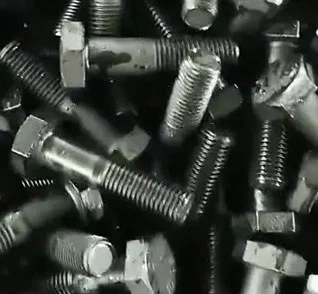
A professional fastener supplier should also provide a wide range of industrial fastening solutions, including hex bolts, customized fasteners, and application-specific components to meet different engineering requirements.
A reliable supplier should be able to provide:
Accurate product specifications
Material certification documentation
Consistent production quality
Customized solutions for special applications
Technical communication throughout the purchasing process
Chinbefast works with customers to understand application requirements and provide suitable fastening solutions based on industry standards and project needs.
Stud bolts are mainly used for industrial connections requiring strong clamping force, especially flange connections, pressure vessels, pipelines, and heavy equipment assemblies. They are widely used where reliability and maintenance efficiency are important.
The main difference is that a normal bolt includes a fixed head, while a stud bolt is generally a threaded rod used with separate nuts. Stud bolts are especially suitable for industrial applications requiring repeated assembly and high-pressure connections.
Common materials include carbon steel, stainless steel, alloy steel, and nickel alloys. The best choice depends on operating temperature, pressure conditions, corrosion exposure, and required mechanical performance.
Yes. Certain grades, such as ASTM A193 B7, are commonly used in high-temperature industrial applications because they provide excellent strength retention under demanding conditions.
Failure prevention requires correct material selection, proper installation procedures, accurate tightening control, regular inspection, and suitable protection against corrosion.
Yes. Industrial stud bolts can be customized according to dimensions, materials, thread specifications, coatings, and engineering requirements. Customized solutions are commonly used for specialized equipment and industrial projects.
Stud bolts are essential components in industrial fastening systems where safety, durability, and connection reliability are critical. Their ability to provide stable clamping force makes them suitable for demanding applications including oil and gas facilities, chemical processing equipment, power generation systems, and heavy machinery.
Understanding stud bolt types, materials, standards, installation methods, and failure prevention strategies helps engineers and purchasing teams make better decisions when selecting fastening solutions.
As an experienced industrial fastener supplier, Chinbefast continues to provide dependable fastening products and customized solutions to support customers worldwide. By combining manufacturing expertise, quality control, and application-focused support, Chinbefast helps businesses achieve safer and more reliable industrial connections.
https://www.asme.org/codes-standards/find-codes-standards/b16-5-pipe-flanges-flanged-fittings
https://engineeringlibrary.org/reference/preloaded-bolted-joint-analysis-methodology-nasa

 English